
Fight Climate Change with Your Yard: Sustainable Landscaping

50% of your water goes on your lawn
Lawns use as much water as an entire family uses indoors.
With a climate smart yard, you can:
- Save water and money on your water bills.
- Save time with less yard maintenance.
- Make less yard waste – drip irrigation means less weeds.
- Pull carbon climate pollution from the air and store it in the soil.
- Cut methane climate pollution by composting food and yard waste.
- Help butterflies, bees, birds, and other pollinators thrive.
3 Steps to a Climate Smart Garden
Step 1: Free, easy steps to transform a lawn into a mulch planting bed.
Step 2: Install drip irrigation to save 50% to 90% of your water.
Step 3: Use the Garden Planner and plant your dream garden.
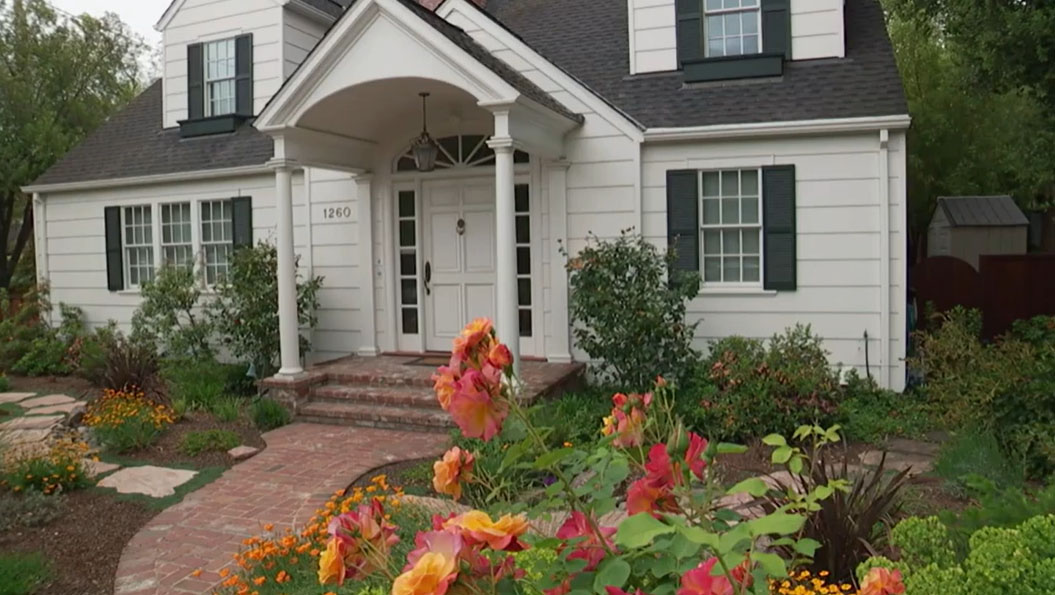
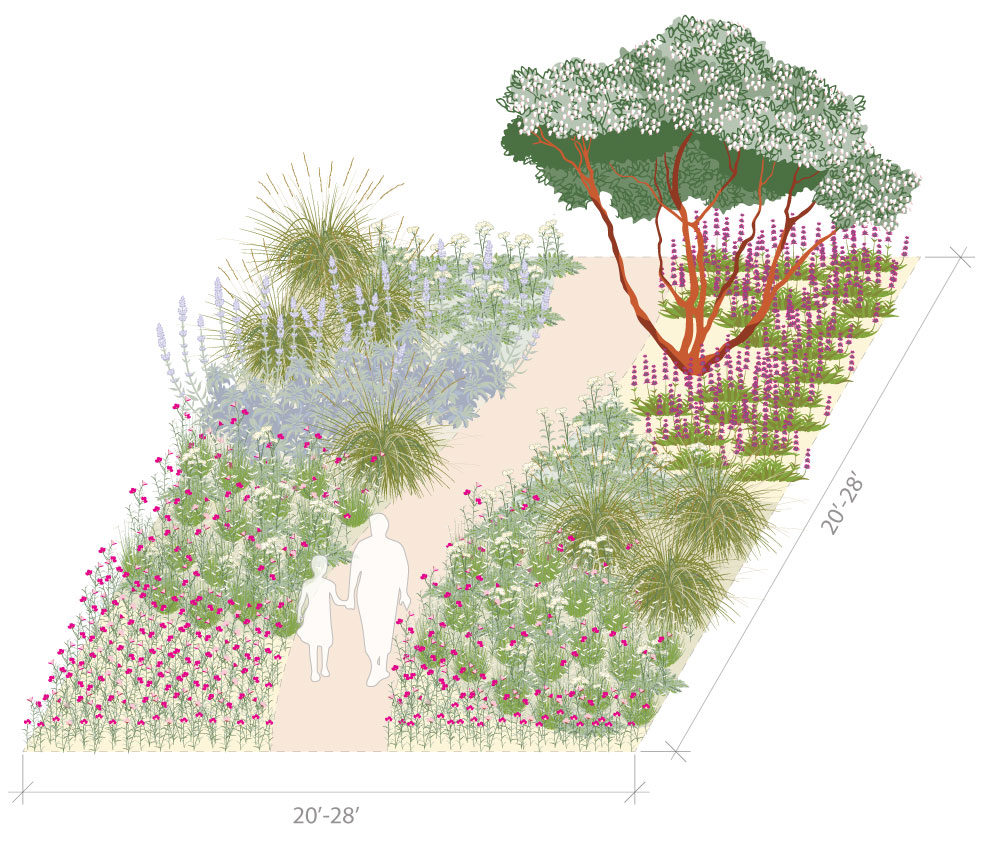
Inspiring water smart gardens.
California Native Plant Society garden tools:

Favorite Water Smart Flowers
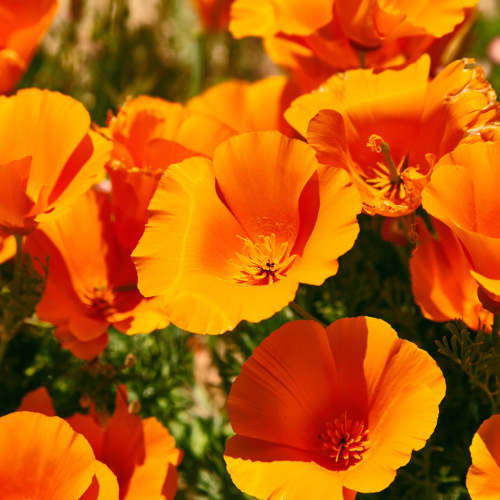
California Poppies
An iconic native plant that thrives in spring.
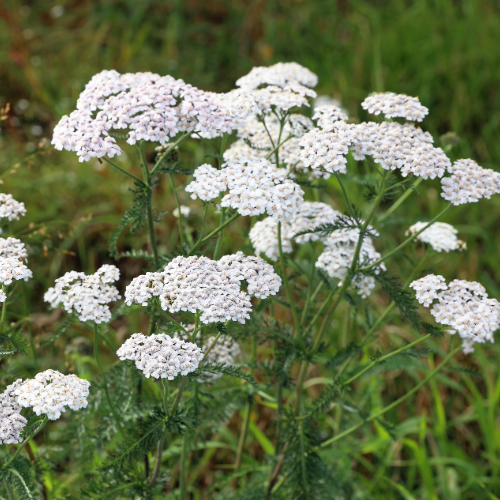
Yarrow
Native plants that mows into lawn.
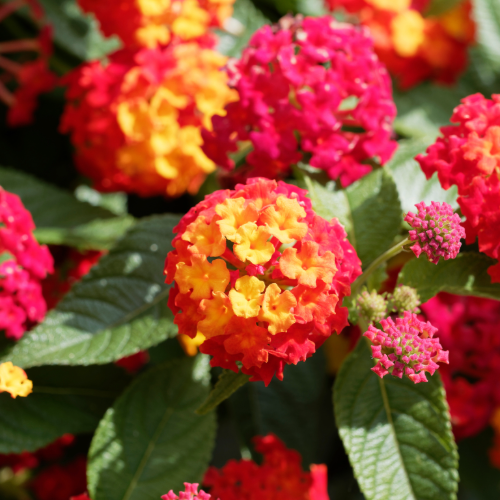
Lantana
Low-water shrubs that spread fast as bushy ground cover.
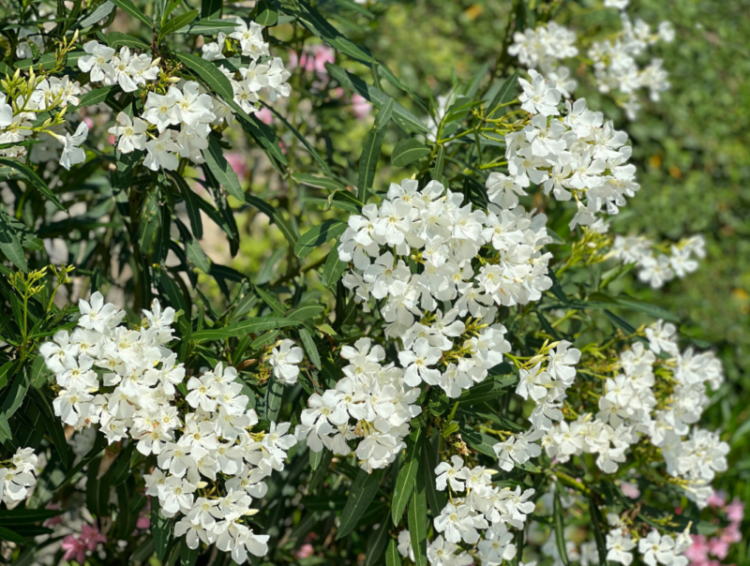
Oleander
Tall bushes that need little care.
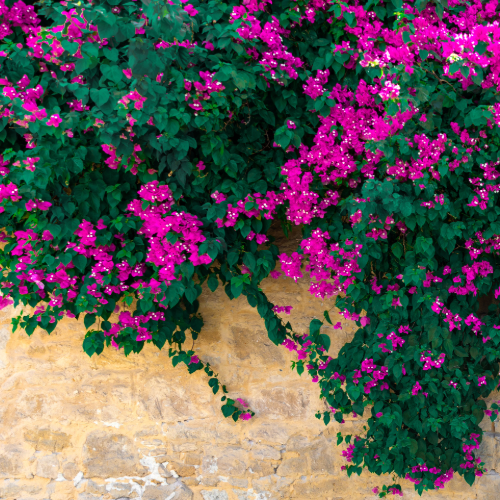
Bougainvillea
Popular tropical vine flourishes in areas that don’t freeze.

Lavender
Large anchor plants in a water smart garden.
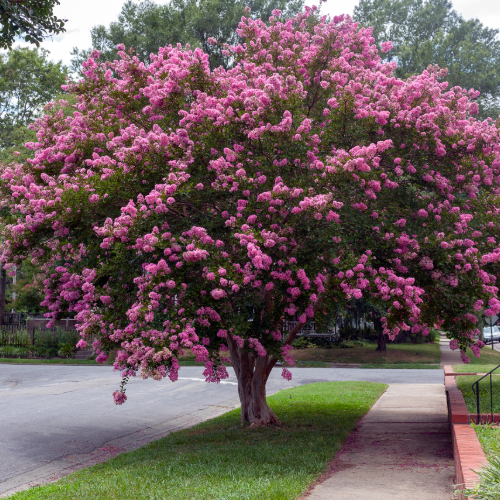
Crepe Myrtle
Popular trees from China with pink, red, purple, or white blooms.
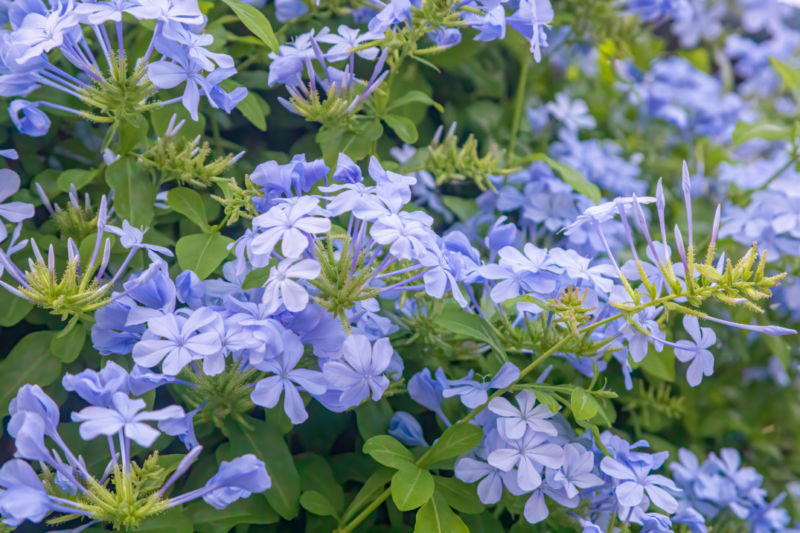
Plumbago
This low water, flowering bush grows up to 4 ft tall – great to hide eyesores in the yard.
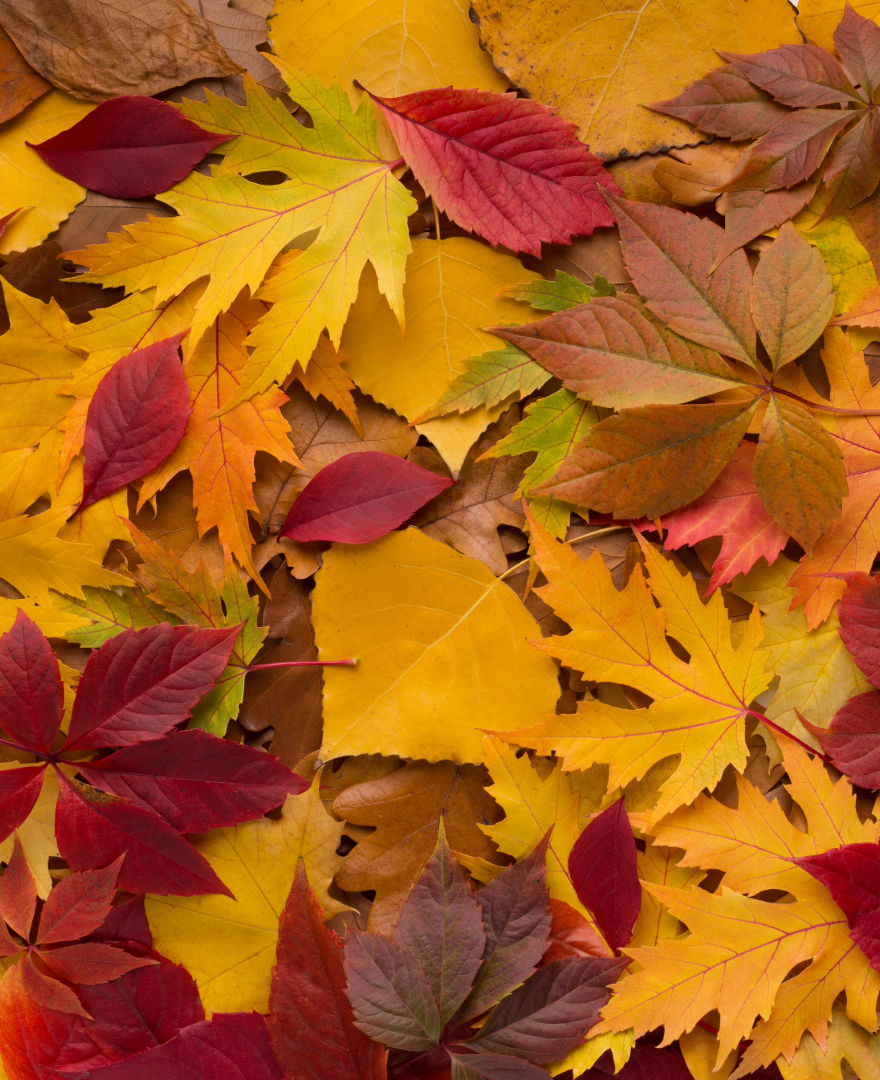
Leave the leaves for garden mulch to:
- Fertilize the yard.
- Provide habitat for pollinators.
Climate Super Powers of Trees
Tree canopies
cool streets 10°F.
Shade homes.
Filter pollutants,
improving health.
Pull climate pollution
from the air.
Reflect sunlight
back out of the atmosphere.
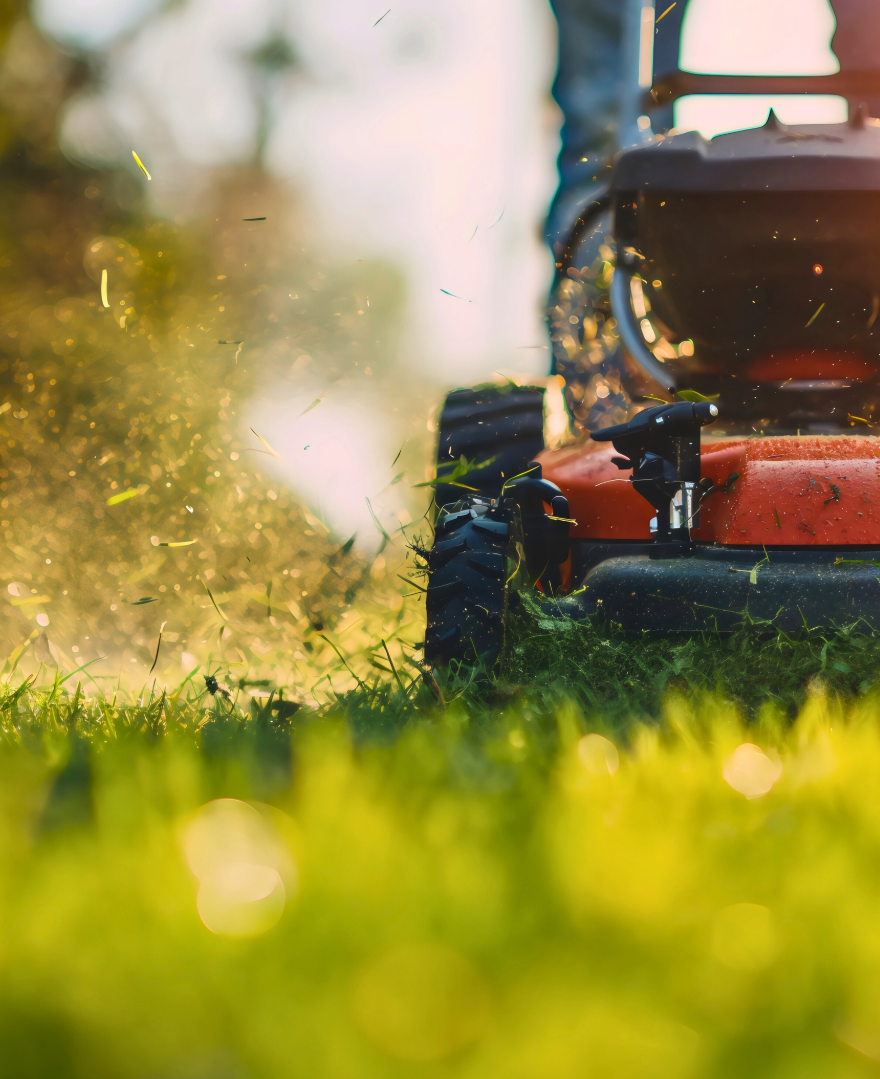
Grasscycling leaves mowed clippings on your lawn to fertilize and hold in water.
- Provides nutrients without chemicals.
- Cuts waste.
Garden Gallery
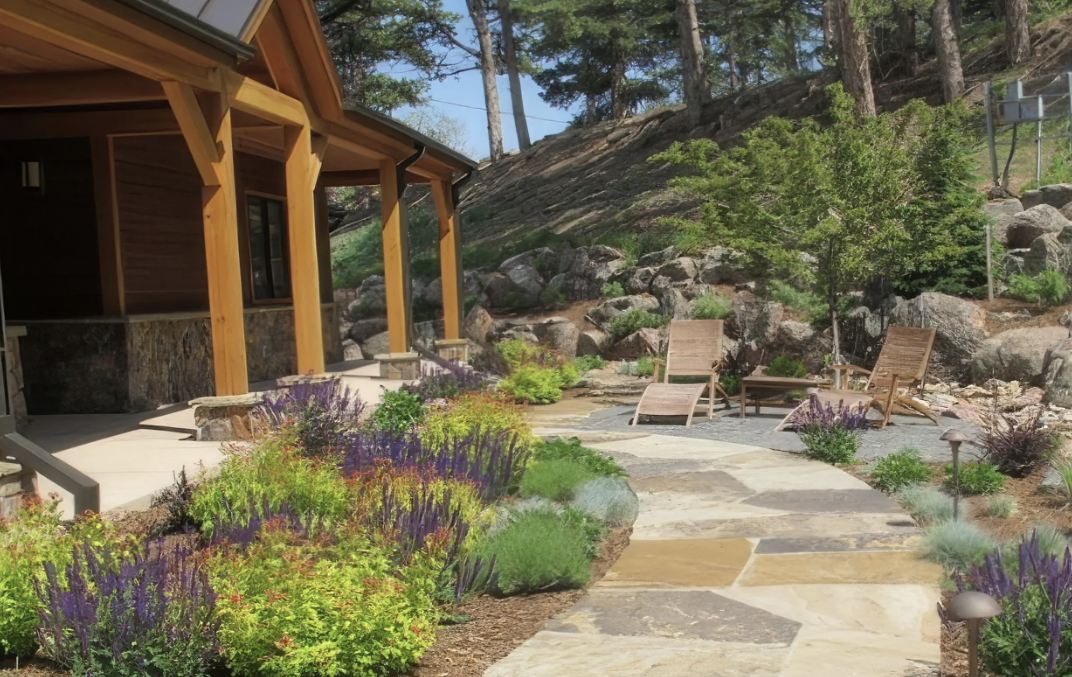

Climate Smart Bunch Grass
Native grass like bunch grass – green, low water.
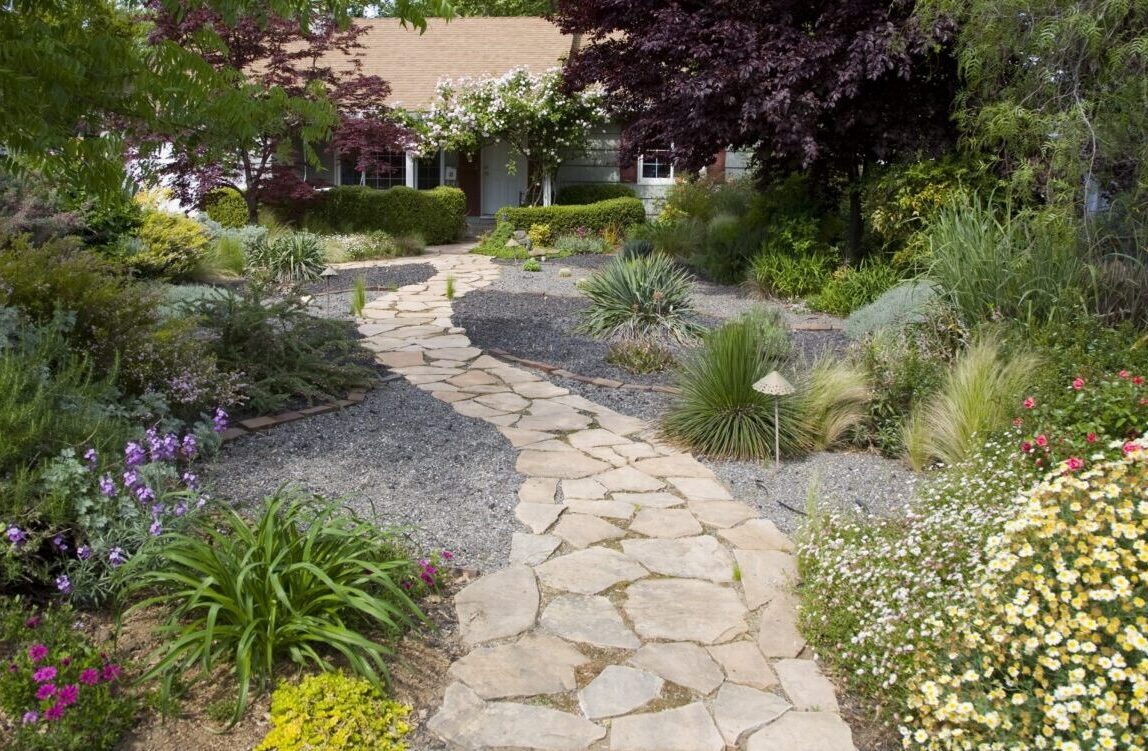
Xeriscape Garden
Xeriscape yard: Low water, slow-growing plants and only weed and trim 3 times a year.
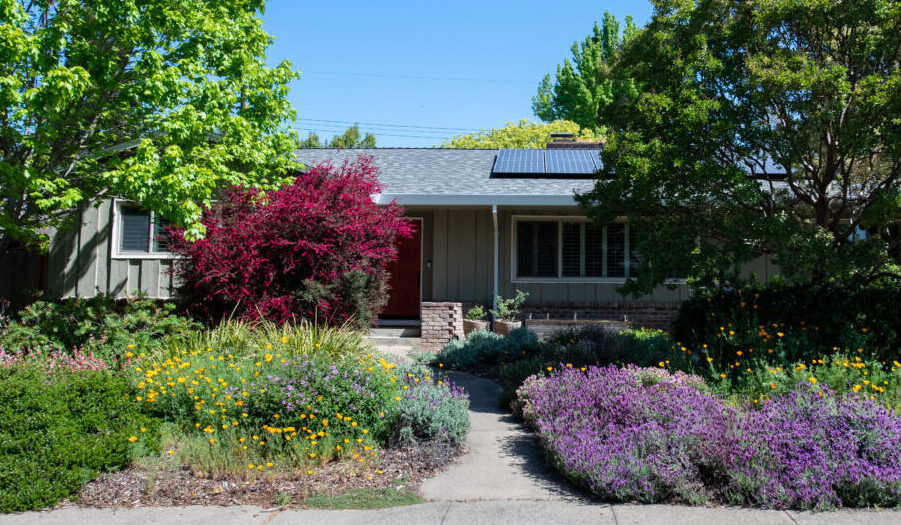
Native Plant Garden
Buy native plants adapted to local rain levels and supporting birds, bees, and butterflies.
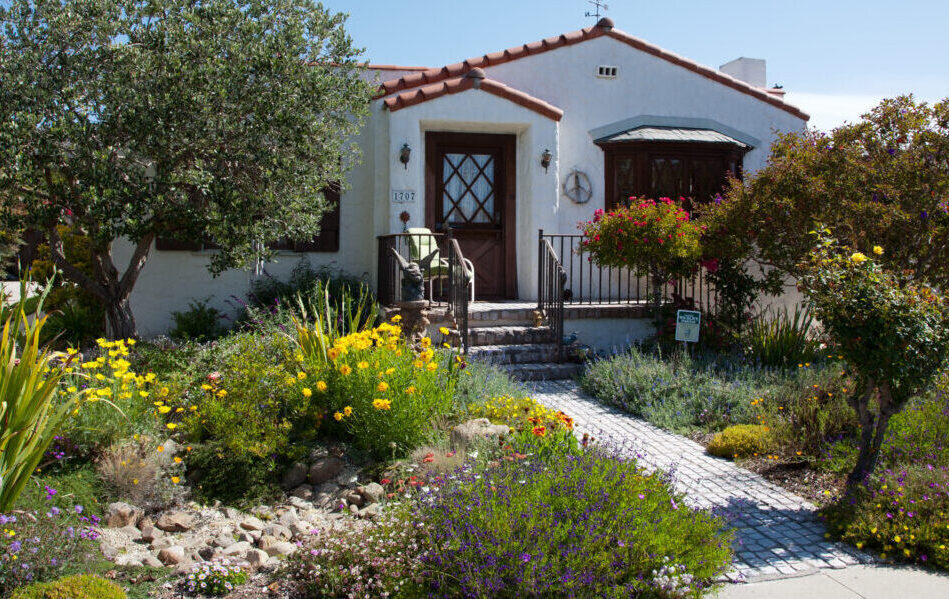
Low Water Garden
A habitat garden supports local birds, lizards, butterflies, bees, other insects, and more.
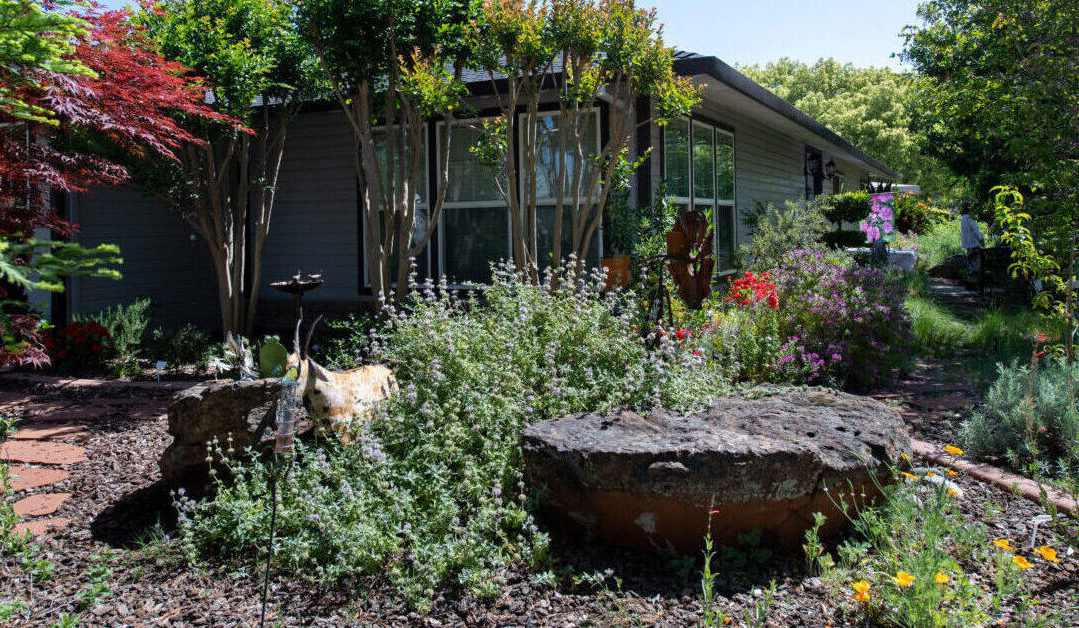
Design Elements
Large rocks, statues, stepping stones, or a creek bed build visual structure.
Compost helps plants store more carbon climate pollution in the soil!



Additional Resources
- Meet the Plants – Bloom! California (bloomcalifornia.org)
- Be Water Wise (bewaterwise.com)
- Rescape California
- California Irrigation Management Information System
- Plant Right – Invasive garden plants
- UC Agricultural and Natural Resources County Offices
- UC Statewide Integrated Pest Management Project
- Water Use Classification of Landscape Species
- Calflora – Wild California Plants
- Gardening – California Native Plant Society (cnps.org)
For more information contact: Organic Materials, Organics@calrecycle.ca.gov