

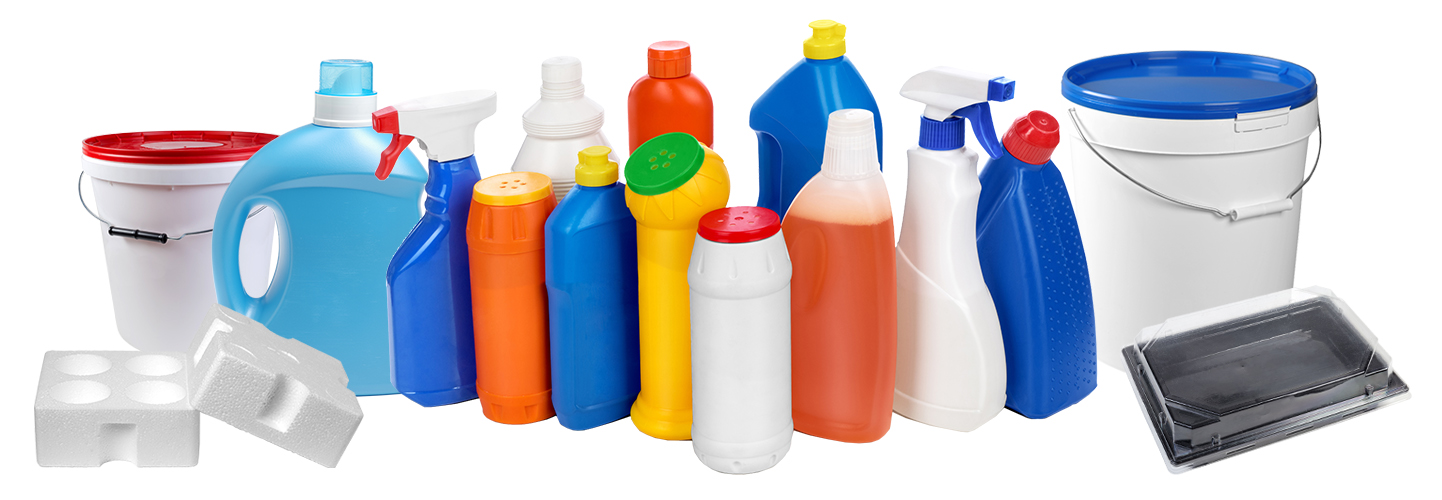
California’s Rigid Plastic Packaging Container (RPPC) law was enacted in 1991:
- To reduce the amount of plastic waste disposed in California landfills
- To increase the use of recycled postconsumer plastic
This program is an early example of Extended Producer Responsibility and the circular economy.
Manufacturers that sell or offer for sale products in RPPCs in California must meet one of the compliance options outlined in the law.
What is a Rigid Plastic Packaging Container?
RPPCs are plastic packaging containers that:
- Are made entirely of plastic (except for incidental portions of the packaging).
- Have a relatively inflexible shape or form.
- Have a minimum capacity or volume of eight (8) fluid ounces up to a maximum capacity or volume of five (5) gallons.
- Are capable of at least one closure (including closure during the manufacturing process).
- Hold a product that is sold or offered for sale in California.
For the complete definition of RPPC, see the regulations.
Some RPPCs are exempt due to the type of products they hold (e.g., food, drugs, toxic or hazardous products). For additional information, see the regulations subsection on exempt RPPCs.


Information for Container Manufacturers

CalRecycle Plastics Contacts
This page provides contacts for CalRecycle’s plastics programs and other functional areas.
RPPC Regulations and Statutes
Title 14, California Code of Regulations (CCR)
Chapter 4, Article 3, section 17942-17949
Statutes
California Public Resources Code (PRC)
Section 42300-42301
Section 42310-42310.3
Section 42320-42327
Section 42330
Section 42340-42345
Mail: CalRecycle, Attn: Rigid Plastic Packaging Container (RPPC) Program, P.O. Box 4025, MS 10A-17, Sacramento, CA 95812-4025
Phone: (916) 341-6717 | Email: RPPC@calrecycle.ca.gov | Fax: (916) 319-7337