Recycle
Where to Recycle | Schools and State Agencies | Resources
Recycling is the practice of recovering used materials from the waste stream and then incorporating those same materials into the manufacturing process.
Many communities in California now offer curbside collection or drop-off sites for certain recyclable materials. But collecting materials is only the first step toward making the recycling process work.
Successful recycling also depends on manufacturers making products from recovered materials and, in turn, consumers purchasing products made of recycled materials. Do your part--"close the loop" and buy products made of recycled materials whenever possible.
Where to Recycle
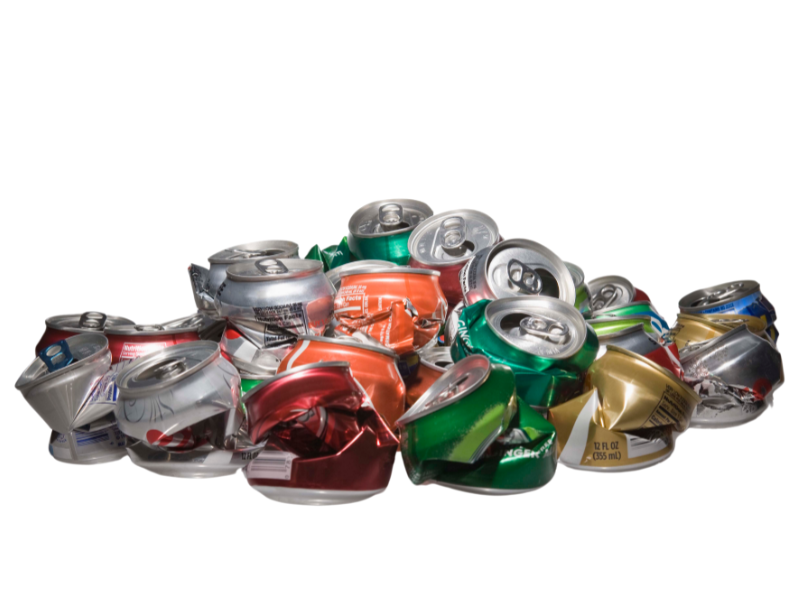
- Beverage Containers. Find a beverage container recycling center where you will receive California Refund Value (CRV).
- Construction debris. You can search for facilities by county that reuse or recycle types of construction and demolition (C&D) debris, such as asphalt, drywall, and metal, on our site.
- Electronic Waste. Discarded electronic products can present environmental hazards if not properly managed. Search this directory to find an organization near you that may handle your unwanted electronics. To find out more about California's electronic waste recycling law and what it means to you, please visit eRecycle.org.
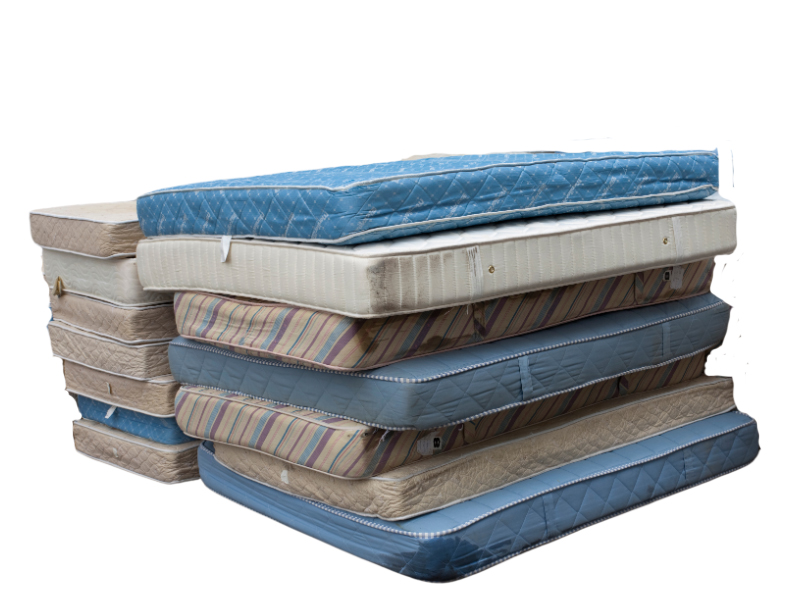
- Mattresses. Although mattresses are bulky, hard-to-manage products, many of their components can be recycled. In fact, according to a 2012 CalRecycle-commissioned mattress case study recycling mattresses saves landfill space and is estimated ot offset 45% of GHG emissions associated with the production and landfilling of these products. If you have an old mattress to recycle or dispose of, you can check with local recyclers or drop off locations by searcing Earth911.org. For information and resources related to product stewardship for mattresses, see the Product Stewardship Institute's web page on mattresses.
- Plastic. You can also find facilities that reuse or recycle specific types of plastic, such as acrylic, nylon, high density polyethylene (HDPE), and low density polyethylene (LDPE) on our site.
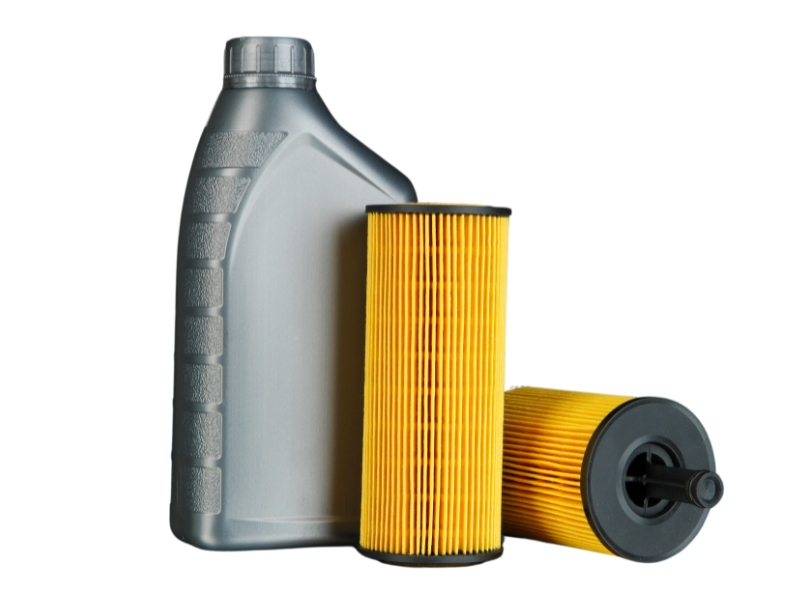
- Used Oil. Find out where you can take your used motor oil and receive 40 cents per gallon.
- Japanese Tsunami Marine Debris. Among the recyclable items that might wash up on California shores as a result of the 2011 tsunami in Japan are wood, plastic materials and plastic/glass buoys. For information on where to recycle these and other materials, visit Earth911.com.
- The Waste Prevention Information Exchange recycling page includes a comprehensive list of recycling databases.
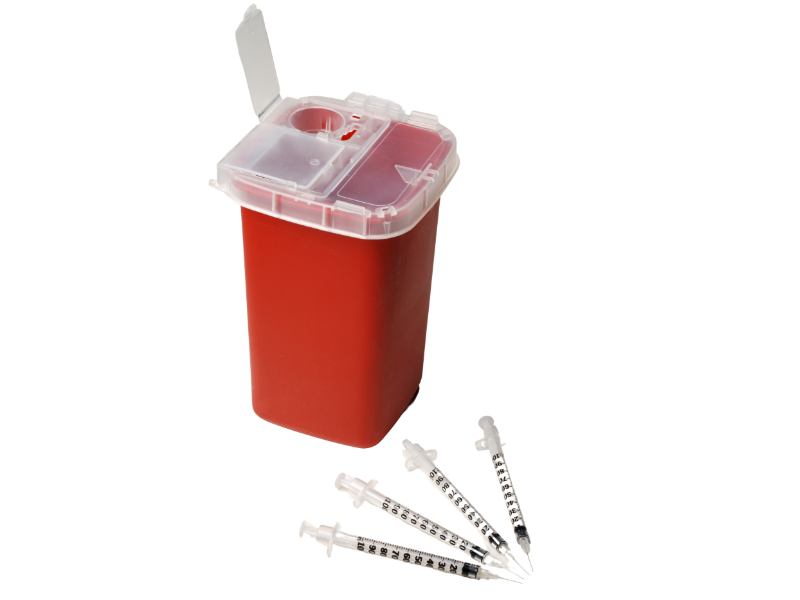
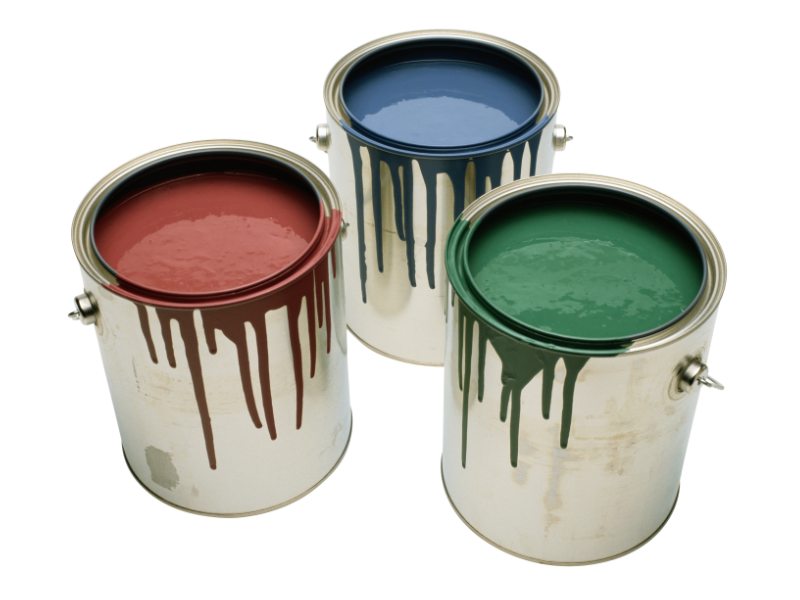
- Find Your Nearest Recycling Center. Enter your ZIP code to go to the "Earth's 911" website and find local centers for recycling materials, including household hazardous waste.
Recycling for Schools and State Agencies
- School Waste Reduction and Recycling. Schools can help communities reduce their waste, while saving money and teaching kids valuable lessons.
- State Agency Resources. Includes resources to assist state agencies in their implementation of waste prevention, reuse, and recycling programs to reduce waste.
- Project Recycle. Recycling programs for State agencies.
Resources and Tools
Best Practices in Waste Reduction Video (October 2009).
Reducing waste can save you money, conserve energy and
resources, and reduce air, soil, and water pollution. This
12-chapter video shows you real options for recycling,
reducing, or reusing solid waste products. All chapters are
on our
Video Central Training page and on
YouTube. Helping
promote California’s development of markets for recyclable
materials is part of our mission. We can help you with
technical, financial, and permitting assistance. Please feel
free to contact CalRecycle's
Office of Public Affairs for more information.- Food Waste. Food scraps can be turned into valuable soil amendments through the simple techniques of composting or feeding a worm box.
- Recycling Tools. Helpful tools listed on this page include lists of manufacturers of containers for home and office and of recycling processing equipment.
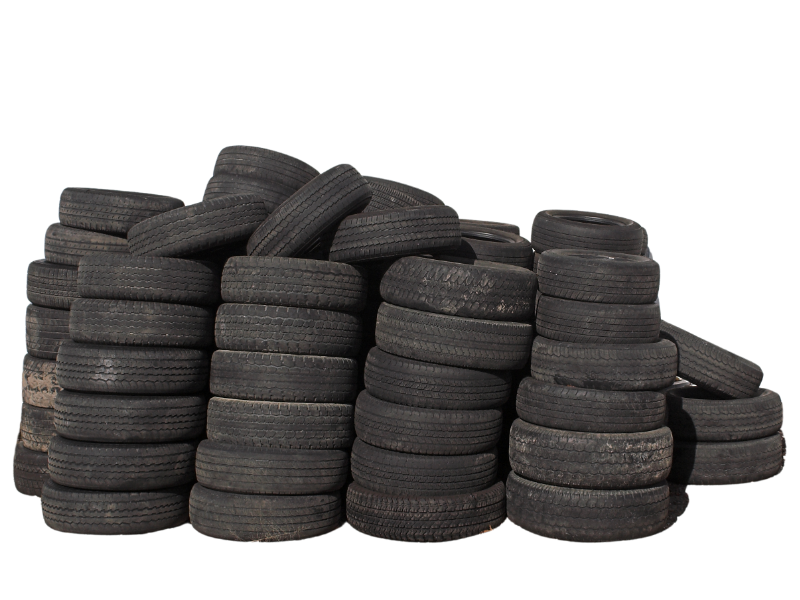
- Tire Recycling. Californians use a lot of tires, which can be recycled in California to produce crumb rubber for new products, recycled in rubberized asphalt concrete (RAC), used in civil engineering applications as tire-derived aggregate (TDA), or combusted as fuel.
- Used Oil Recycling. Oil doesn't wear out, it just gets dirty! Find out more...
- Recycling Coordinator Information and Resources. Materials and assistance to help you set up and operate a successful waste reduction program in your business, office, or locality.
CalRecycle, http://www.calrecycle.ca.gov
Public Affairs Office, opa@calrecycle.ca.gov (916) 341-6300